
Traumatic Spine Surgery in Modasa – Dr. Utsav Patel
A traumatic spine injury can affect the bones, discs, nerves, or other structures supporting the spine. Injuries may occur after an accident, fall, or other significant trauma and can sometimes cause back or neck pain, numbness, weakness, or difficulty with movement.
Dr. Utsav Patel is a spine surgeon in Modasa who provides evaluation and treatment planning for spinal conditions. When a traumatic spine condition requires specialist assessment, an appropriate treatment plan can be developed according to the injury, symptoms, clinical findings, and individual patient needs.
Not every traumatic spine injury requires surgery. Treatment depends on the nature and severity of the injury and whether the spine or surrounding neurological structures have been affected.
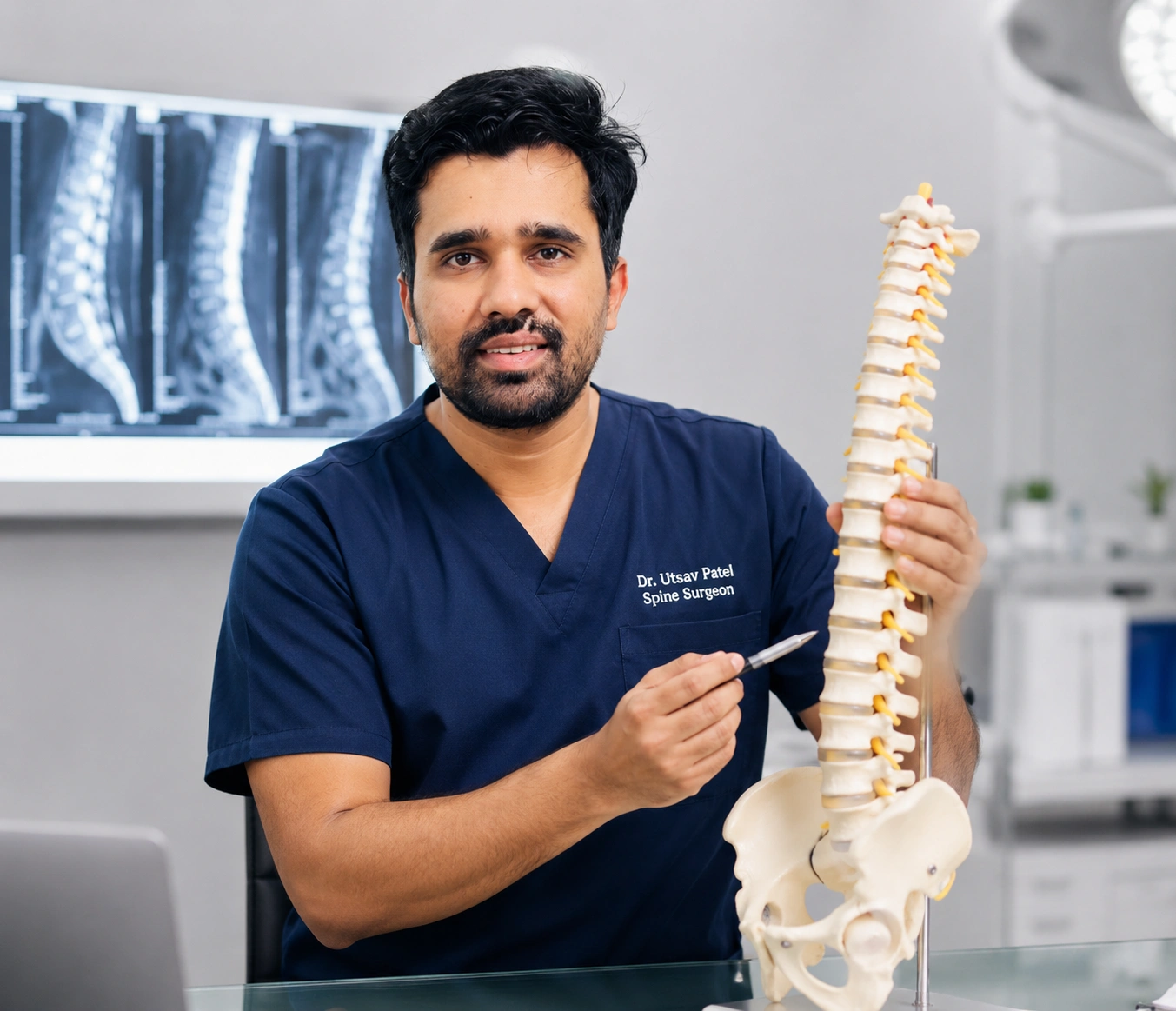
About Dr. Utsav Patel – Spine Surgeon in Modasa
Dr. Utsav Patel focuses on the diagnosis and management of spinal disorders using personalized treatment planning and advanced surgical techniques.
His practice website lists spine fracture among the conditions treated and includes advanced surgical techniques, minimally invasive techniques, and rehabilitation and recovery within his approach to spine care.
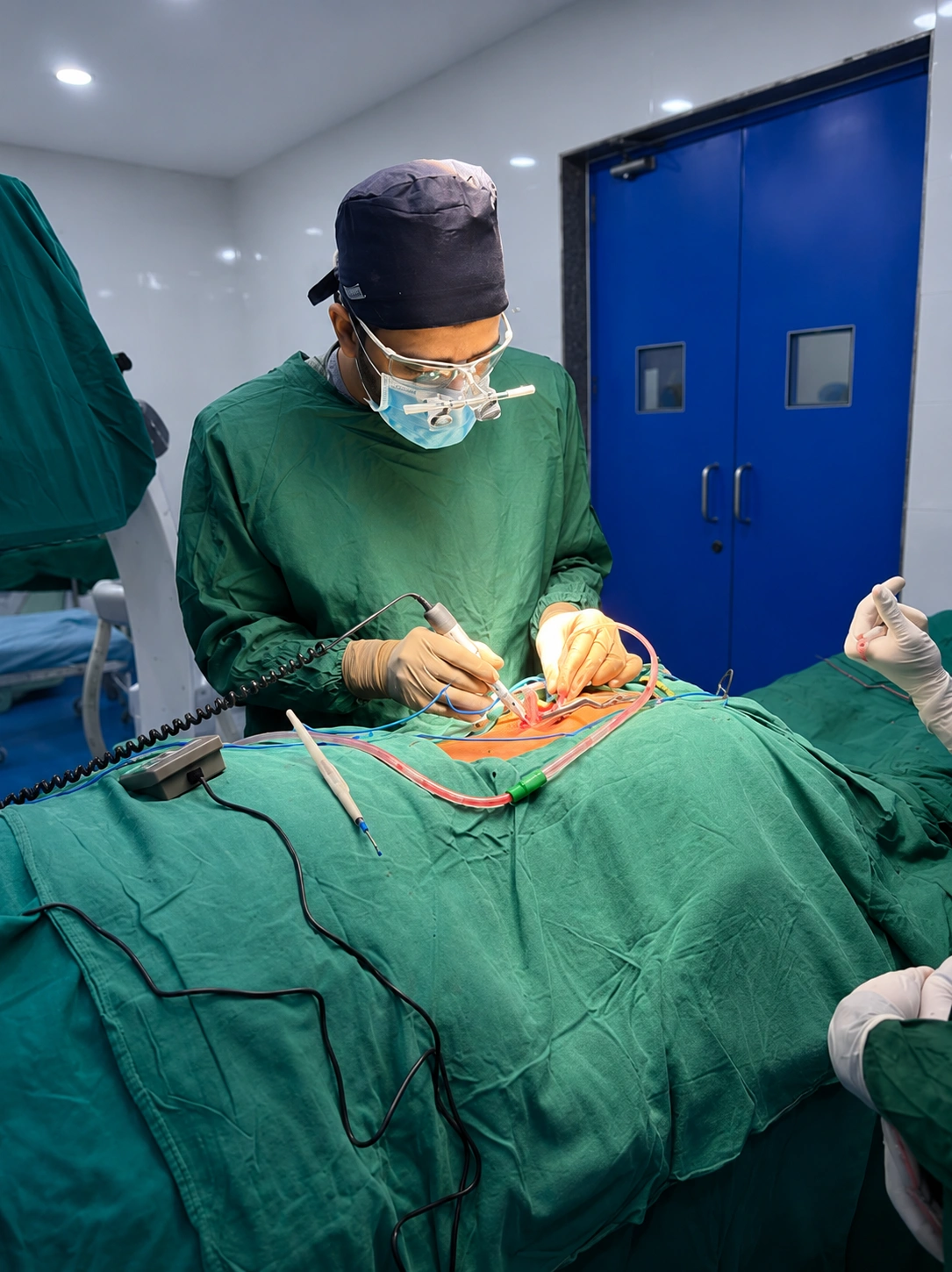
What Is Traumatic Spine Surgery?
Traumatic spine surgery refers to surgical treatment that may be required for certain spinal injuries resulting from trauma.A traumatic injury can affect different parts of the spine. Depending on the injury, treatment may involve observation and non-surgical care or, when clinically indicated, surgical treatment. The need for surgery cannot be determined from symptoms alone. A spine specialist evaluates the injury and other clinical findings before recommending an appropriate treatment approach.
What Causes Traumatic Spine Injuries?
Traumatic spine injuries can occur following events such as:
- Road traffic accidents
- Falls
- Sports-related injuries
- Other significant physical trauma
The severity and type of injury can vary considerably from one person to another. Some injuries may primarily cause pain, while others can affect spinal stability or nearby nerves.
Following significant trauma, appropriate medical evaluation is important, particularly when symptoms are severe or neurological symptoms are present.
Common Types of Traumatic Spine Injuries
Spine Fractures: A traumatic event can cause a fracture involving one or more vertebrae. The appropriate treatment depends on the location and characteristics of the fracture and the overall clinical condition. Dr. Utsav Patel’s website lists spine fracture among the conditions he treats.
Traumatic Disc or Nerve-Related Problems: Trauma can sometimes be associated with disc or nerve-related symptoms. Pain, numbness, tingling, or weakness may require further evaluation to identify the underlying cause.
Other Traumatic Spine Conditions: Different injuries can affect different areas of the spine. Treatment therefore needs to be based on the specific injury rather than using the same approach for every patient.
Symptoms of a Traumatic Spine Injury
Symptoms following a spinal injury may include:
- Back pain
- Neck pain
- Pain that travels into an arm or leg
- Numbness or tingling
- Weakness
- Difficulty moving comfortably
- Changes in mobility
The presence and severity of symptoms can vary depending on the injury.
If a person develops significant neurological symptoms following trauma, prompt medical assessment is important.
When Should You Consult a Spine Surgeon After an Injury?
A spine specialist evaluation may be appropriate when spinal symptoms continue following an injury or when an examination or investigation indicates a spinal condition requiring specialist management.
You may consider a spine consultation for:
- Persistent back or neck pain after trauma
- Suspected spine fracture
- Pain associated with numbness or tingling
- Weakness involving an arm or leg
- Difficulty with movement after an injury
- Previously diagnosed spinal injury requiring specialist treatment planning
A specialist consultation helps determine whether the condition requires non-surgical management, surgical treatment, or further evaluation.
How Traumatic Spine Injuries Are Evaluated
Evaluation begins with understanding the injury and the patient’s symptoms.
A spine specialist may consider the following:
Clinical Assessment: The patient’s symptoms, medical history, mechanism of injury, and physical findings are reviewed.
Diagnostic Evaluation: Depending on the injury and clinical requirements, appropriate diagnostic investigations may be recommended.
Treatment Planning: Once the condition has been assessed, the appropriate treatment options can be discussed according to the individual patient’s needs.
The exact evaluation and treatment process varies according to the injury.
Spine Fracture Treatment and Surgical Evaluation
A spine fracture can vary significantly in severity and location. Some fractures may be managed conservatively, while others may require surgical evaluation.Dr. Utsav Patel’s website lists Spine Fracture as one of the conditions he treats.If you have been diagnosed with a spinal fracture after an accident or fall, a consultation can help you understand the condition and the treatment options relevant to your case.

Why Choose Dr. Utsav Patel for Traumatic Spine Care in Modasa?
When dealing with a traumatic spine condition, accurate diagnosis and individualized treatment planning are important.
Dr. Utsav Patel’s approach includes:
- Accurate Diagnosis
- Personalized Treatment Planning
- Endoscopic Spine Surgery
- Minimally Invasive Techniques
- Recovery Support
- Patient-Focused Care
The practice website states 10+ years of experience, 1,500+ patients treated, and 500+ spine procedures.
What to Expect During a Spine Consultation After an Injury
1. Discuss Your Injury
You can discuss how the injury occurred, your current symptoms, and any previous treatment or diagnosis.
2. Clinical Evaluation
Your spinal condition and symptoms are assessed to understand the underlying problem.
3. Treatment Planning
If treatment is required, the available options can be discussed based on your diagnosis and clinical findings.
4. Follow-Up and Recovery
The recommended follow-up and recovery plan depends on the condition and treatment provided.
Recovery and Rehabilitation After Traumatic Spine Treatment
Recovery following a traumatic spine injury varies significantly between patients.
Factors that may influence recovery include:
- Type and severity of the injury
- Treatment provided
- Overall health
- Individual healing
- Rehabilitation requirements
There is no single recovery timeline that applies to every traumatic spine condition.
A personalized follow-up plan can help monitor recovery and address mobility or other ongoing concerns.
Traumatic Spine Care in Modasa for Patients from Aravalli
Patients looking for traumatic spine surgery in Modasa can consult Dr. Utsav Patel for specialist evaluation of spinal injuries and discussion of appropriate treatment options. His practice is located in Modasa, making it accessible to patients from Modasa and the wider Aravalli area. The appropriate treatment is determined after evaluating the individual spinal condition.
Frequently Asked Questions About Traumatic Spine Surgery
What is traumatic spine surgery?
Traumatic spine surgery refers to surgical treatment that may be required for certain spinal injuries caused by trauma.
Does every spine injury require surgery?
No. Treatment depends on the type and severity of the injury, clinical findings, and individual patient factors. Some injuries may be managed without surgery.
What symptoms can occur after a traumatic spine injury?
Symptoms may include back or neck pain, pain travelling into an arm or leg, numbness, tingling, weakness, or difficulty with movement.
Can a spine fracture require surgery?
Some spinal fractures may require surgical treatment, while others may be managed without surgery. The appropriate approach depends on the individual fracture and clinical findings.
When should I consult a spine surgeon after an accident?
A spine consultation may be appropriate when you have persistent spinal pain, suspected or diagnosed spinal injury, neurological symptoms, or ongoing problems following trauma.
How long does recovery take after keyhole spine surgery?
Recovery varies depending on the specific procedure, spinal condition, overall health, and individual healing. Your treating doctor can provide guidance based on your particular case.