
Endoscopic Spine Surgeon in Modasa
When spine-related pain, nerve symptoms, or mobility problems begin affecting everyday life, an accurate diagnosis is an important first step toward choosing the right treatment. Dr. Utsav Patel is an endoscopic spine surgeon in Modasa who provides evaluation and personalized treatment for spinal disorders.
Endoscopic spine surgery is one of the surgical treatment options offered by Dr. Utsav Patel. The technique uses a small access point to reach the affected area of the spine and is designed to minimize tissue disruption during appropriate procedures.
The suitability of endoscopic spine surgery depends on the patient’s diagnosis, symptoms, clinical findings, and individual treatment requirements. A consultation with a spine surgeon can help determine whether this approach is appropriate.
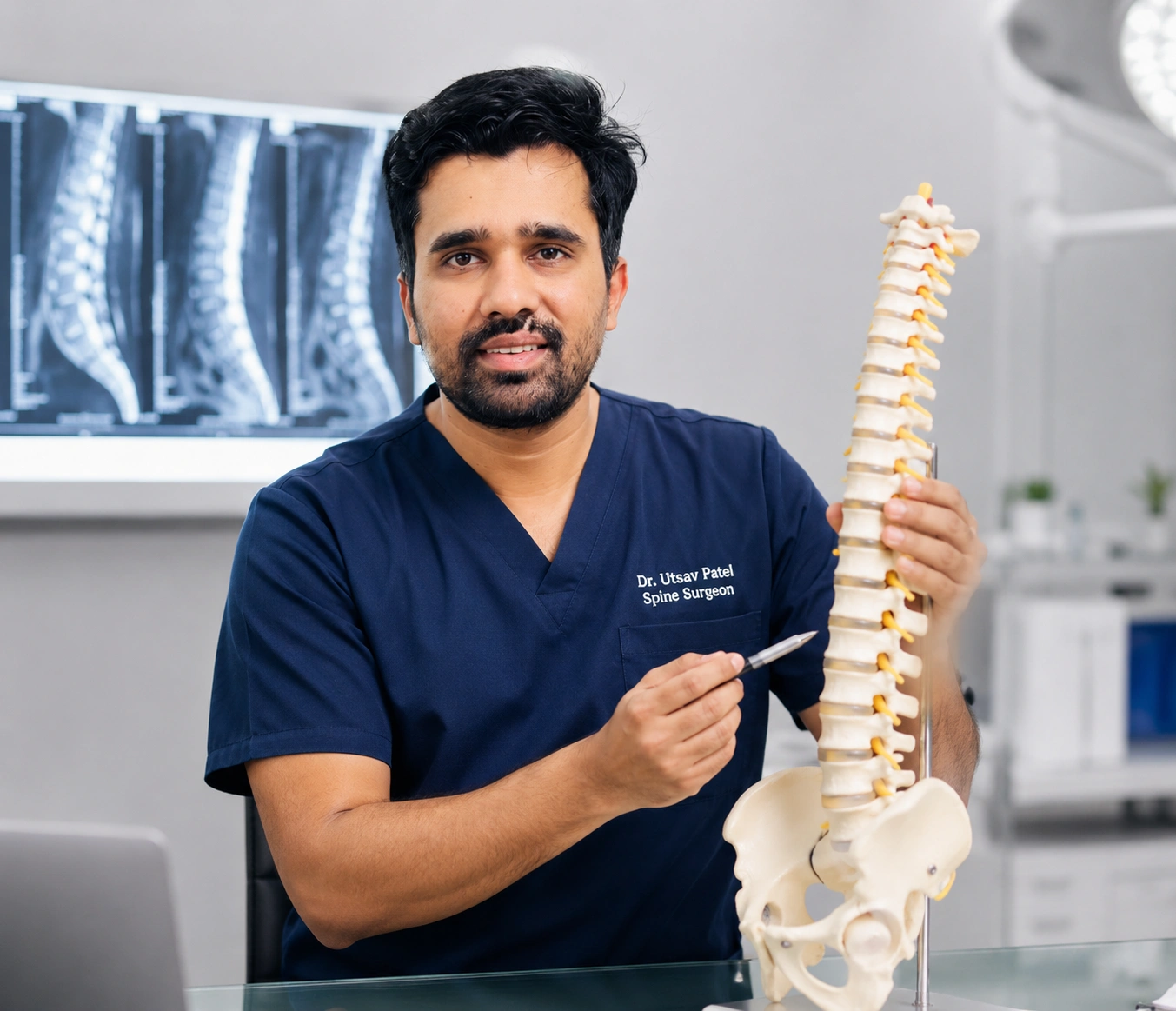
About Dr. Utsav Patel – Endoscopic Spine Surgeon
Dr. Utsav Patel is a spine surgeon in Modasa who focuses on the diagnosis and management of spinal disorders using evidence-based care and personalized treatment planning.
His practice includes endoscopic spine surgery and minimally invasive spine surgery, along with rehabilitation and recovery support. The approach emphasizes accurate diagnosis before selecting an appropriate treatment option.
Dr. Utsav Patel’s website lists MBBS, Master of Surgery, and Gujarat Medical Council credentials. The website also states 10+ years of experience, 1,500+ patients treated, and 500+ spine procedures.
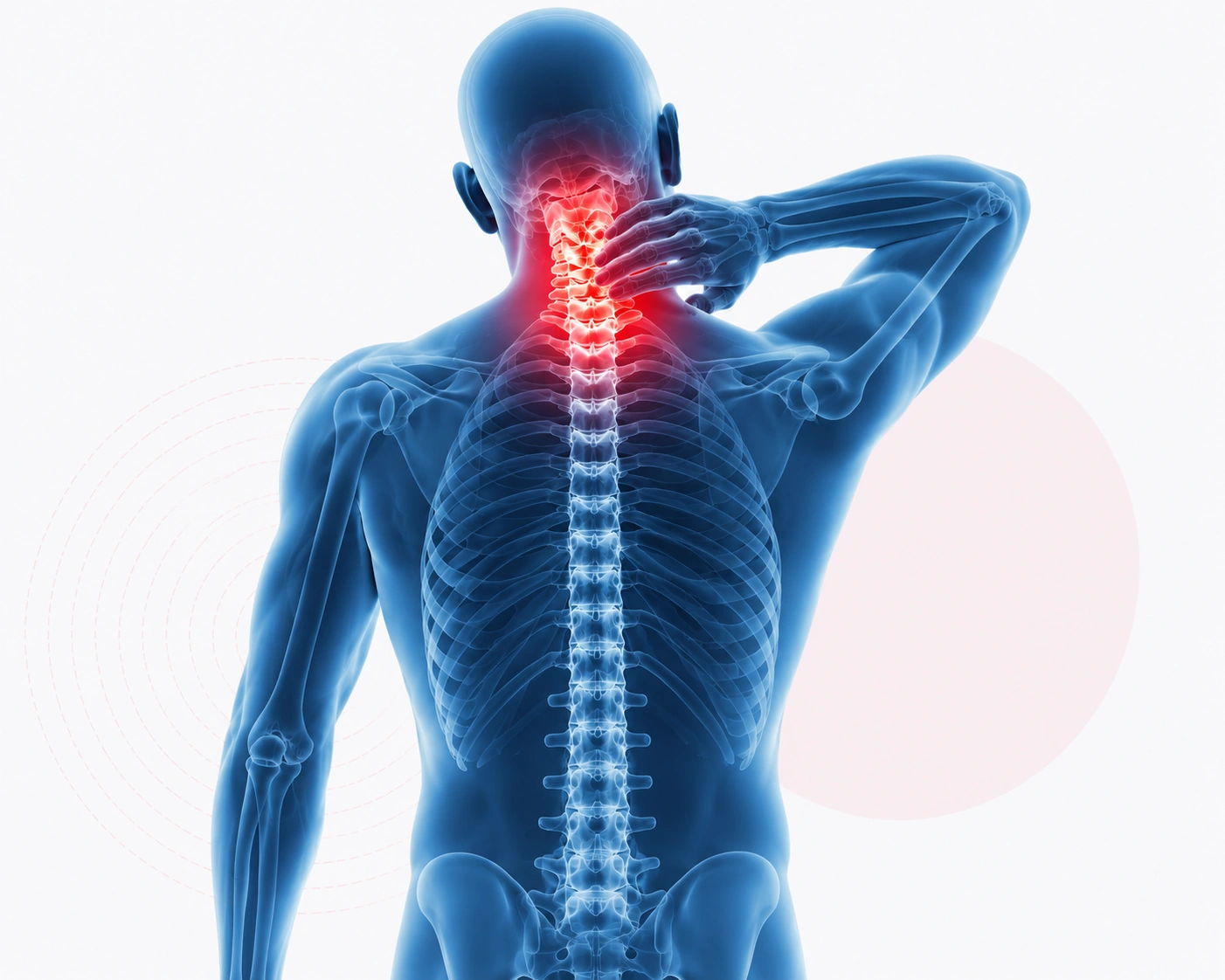
What Is Endoscopic Spine Surgery?
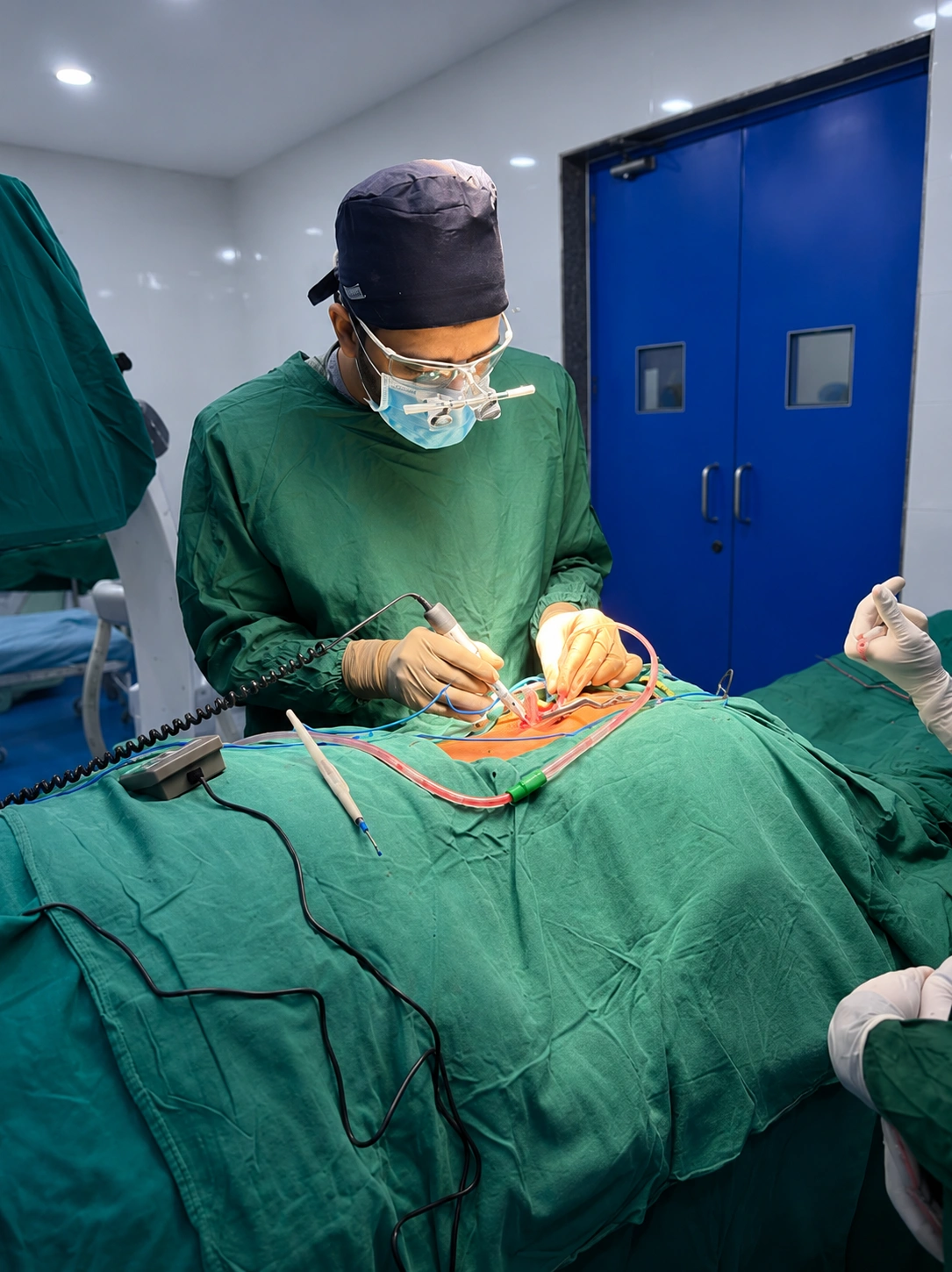
Endoscopic spine surgery is a minimally invasive surgical technique that uses an endoscope and a small access point to reach the affected area of the spine.
Compared with larger surgical approaches, endoscopic techniques are designed to reduce the amount of tissue disruption required to access the treatment area. Depending on the specific procedure and patient condition, this may support benefits such as smaller incisions and recovery advantages.
However, endoscopic surgery is not appropriate for every spinal condition. The decision depends on the patient’s diagnosis, anatomy, symptoms, and overall clinical requirements.
How Endoscopic Spine Surgery Works
The exact surgical technique depends on the spinal condition being treated and the location of the problem.In general, an endoscopic procedure uses a small access point through which specialized surgical instruments and an endoscope can be introduced. The surgeon uses the visualization provided by the endoscope to access the affected area and perform the required surgical treatment.The approach is intended to provide access to the treatment area while limiting unnecessary tissue disruption. Before recommending surgery, the patient’s symptoms and clinical condition need to be evaluated to determine the most appropriate treatment approach.
Who May Need Endoscopic Spine Surgery?
Endoscopic spine surgery may be considered for selected patients with specific spinal conditions where an endoscopic approach is clinically appropriate.
Patients experiencing persistent back or leg pain, symptoms related to nerve compression, numbness, weakness, or other spine-related problems may require specialist evaluation.
A spine surgeon can assess the patient’s symptoms and diagnosis and determine whether treatment should involve conservative care, rehabilitation, endoscopic surgery, minimally invasive surgery, or another appropriate approach.
Surgery should not be chosen based on symptoms alone. A proper clinical evaluation is necessary before deciding whether an endoscopic procedure is suitable.
Spine Conditions That May Be Treated with Endoscopic Surgery
The appropriate surgical technique depends on the patient’s individual diagnosis. Conditions associated with symptoms such as nerve compression may sometimes be considered for minimally invasive or endoscopic treatment.
Slip Disc: A slipped or herniated disc can place pressure on nearby nerves and may cause back pain, leg pain, numbness, or weakness. After clinical evaluation, selected cases may be considered for appropriate surgical treatment.
Sciatica: Sciatica involves pain that travels along the path of the sciatic nerve, commonly extending from the lower back into the leg. When symptoms are caused by a spinal condition involving nerve compression, specialist evaluation can help determine the appropriate treatment.
Spinal Stenosis : Spinal stenosis involves narrowing around the spinal canal or nerve pathways. Depending on the location and severity of the narrowing, patients may experience pain, numbness, weakness, or difficulty walking.
Other Spine Conditions: Endoscopic treatment is not suitable for every spine condition. The appropriate procedure depends on the diagnosis, location of the spinal problem, clinical findings, and individual patient requirements.
Benefits of Endoscopic Spine Surgery
Endoscopic spine surgery is designed as a minimally invasive approach for appropriately selected patients.
- Smaller Incisions: Endoscopic procedures generally use a smaller surgical access point.
- Less Tissue Disruption: The technique is designed to limit disruption to surrounding tissues.
- Less Postoperative Discomfort: Minimally invasive approaches may help reduce postoperative discomfort in appropriate cases.
- Faster Recovery: Some patients may experience a quicker recovery compared with certain conventional approaches.
- Earlier Mobility: Recovery and mobility depend on the specific procedure and individual patient condition.
Endoscopic Spine Surgery vs Traditional Spine Surgery
Endoscopic and conventional spine surgery use different surgical approaches, and the appropriate option depends on the patient’s condition.Endoscopic spine surgery uses a smaller access point and specialized visualization and instruments. Conventional surgery may involve a different surgical approach depending on the complexity and location of the spinal problem. The goal is not to choose a procedure simply because it is minimally invasive. The priority is to identify the treatment that is appropriate for the patient’s diagnosis. During consultation, Dr. Utsav Patel can evaluate the condition and discuss the treatment approach that may be suitable.
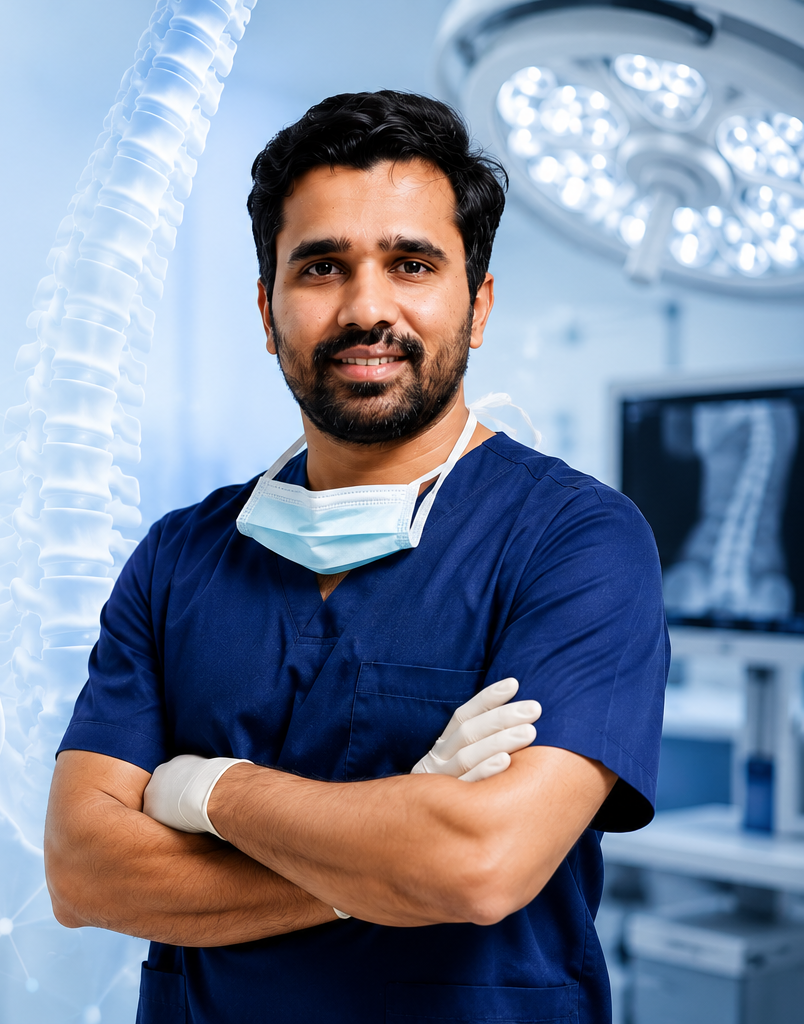
Why Choose Dr. Utsav Patel for Endoscopic Spine Surgery in Modasa?
Choosing a spine surgeon involves considering the doctor’s experience, treatment approach, and the type of care provided throughout diagnosis and recovery.
Identify the root cause through detailed clinical evaluation.
Continuous follow-up for safe healing and lasting spine health.
Endoscopic and minimally invasive solutions.
Treatment plans tailored to every patient's unique condition.
What to Expect During an Endoscopic Spine Surgery Consultation
An endoscopic spine surgery consultation begins with understanding the patient’s symptoms and evaluating the underlying spinal condition.
1. Clinical Evaluation:Your symptoms, medical history, and clinical condition are assessed to understand the possible cause of the problem.
2. Diagnosis: The evaluation helps determine the spinal condition and whether further investigation or treatment planning is required.
3. Treatment Discussion:If surgery is appropriate, the available treatment options can be discussed based on the diagnosis and individual requirements.
4. Personalized Treatment Plan: If endoscopic spine surgery is considered suitable, the treatment approach is planned according to the patient’s specific condition.
5. Recovery Guidance: Recovery requirements vary according to the procedure and individual patient. Follow-up and rehabilitation guidance may form part of the recovery process.
Endoscopic Spine Surgery Recovery
Recovery following endoscopic spine surgery varies from patient to patient. The recovery period depends on the specific procedure, the spinal condition being treated, the patient’s overall health, and other individual factors. Dr. Utsav Patel’s practice includes rehabilitation and recovery support, with a focus on recovery guidance, mobility improvement, and long-term spine wellness.Patients should follow the postoperative instructions provided by their treating medical team and attend recommended follow-up appointments.
Is Endoscopic Spine Surgery Suitable for Everyone?
No. Endoscopic spine surgery is not automatically suitable for every patient or every spinal condition.
The decision depends on factors such as:
- The underlying spinal condition
- Location of the problem
- Severity of symptoms
- Clinical findings
- Previous treatment or surgery
- The patient’s overall health
- The specific surgical requirements
A consultation with a spine surgeon is important before deciding whether endoscopic spine surgery is appropriate.
Endoscopic Spine Surgeon in Modasa for Patients from Aravalli
Dr. Utsav Patel provides spine consultation in Modasa, making the practice accessible to patients looking for spine care in the area. Patients searching for an endoscopic spine surgeon in Modasa can consult Dr. Utsav Patel to discuss their symptoms, diagnosis, and potential treatment options. For patients from the wider Aravalli area, consultation at the Modasa location provides an opportunity to discuss spine-related concerns with a specialist and understand the treatment options relevant to their individual condition.
Frequently Asked Questions About Endoscopic Spine Surgery
What is endoscopic spine surgery?
Endoscopic spine surgery is a minimally invasive surgical technique that uses an endoscope and a small access point to reach and treat selected spinal conditions.
Is endoscopic spine surgery minimally invasive?
Yes. Endoscopic spine surgery is considered a minimally invasive approach because it uses a small access point and is designed to limit tissue disruption compared with certain conventional surgical approaches.
Does Dr. Utsav Patel perform endoscopic spine surgery?
Yes. Endoscopic spine surgery is specifically listed as a treatment option on Dr. Utsav Patel's website.
Can endoscopic surgery be used for sciatica?
Some patients with a slipped or herniated disc may be candidates for endoscopic treatment, depending on their specific diagnosis and clinical findings. A spine surgeon must evaluate the individual condition before recommending a procedure.
Is endoscopic spine surgery better than traditional surgery?
There is no single surgical approach that is best for every patient. Endoscopic surgery may offer advantages for appropriately selected cases, but the appropriate procedure depends on the patient's condition and clinical requirements.
How do I know whether I need endoscopic spine surgery?
A consultation with a spine surgeon can help determine the cause of your symptoms and whether endoscopic surgery, another surgical approach, rehabilitation, or non-surgical care is appropriate.